Defense & Aerospace Power Blog
Engineering updates, technical articles, and industry insights on rugged military power supplies, VPX modules, and custom power conversion solutions.
Why Choose Three Phase AC-DC Power Supplies for Your Needs?
Table of Contents
- Understanding the Basics of Three Phase AC-DC Power Supplies
- Advantages of Three Phase AC-DC Power Supplies Over Single Phase Systems
- Common Applications for Three Phase AC-DC Power Supplies
- Key Considerations When Selecting a Three Phase AC-DC Power Supply
- Maintenance and Troubleshooting Tips for Three Phase AC-DC Power Supplies
- FAQS
- Conclusion
- Related Posts
Choosing the right power supply is crucial for various applications. Among the options available, Three Phase AC-DC Power Supplies stand out for their efficiency. These systems convert alternating current to direct current with exceptional performance.
One notable advantage of Three Phase AC-DC Power Supplies is their ability to handle higher loads. This capability is essential for industrial settings where power demand fluctuates. The three-phase design reduces harmonic distortion, providing cleaner power and improving equipment longevity.
However, selecting these systems can be daunting. Users must consider compatibility with existing infrastructure. Additionally, installation can be complex and may require professional assistance. Thus, it's important to weigh these factors carefully when making a decision about Three Phase AC-DC Power Supplies.
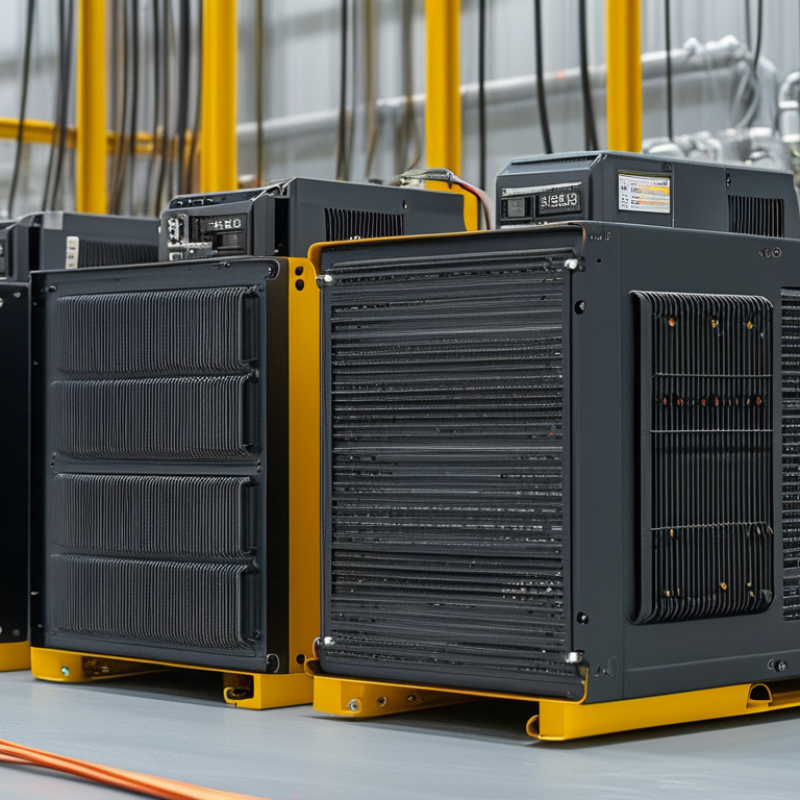
Understanding the Basics of Three Phase AC-DC Power Supplies
Three-phase AC-DC power supplies are increasingly popular due to their efficiency and reliability. They convert alternating current (AC) from three-phase systems into direct current (DC) effectively. This process provides a smoother output, which is essential for sensitive electronic devices. In industrial applications, this type of power supply can handle higher loads without overheating, making them ideal for heavy machinery.
When considering installation, three-phase systems may seem complex. However, they offer significant advantages over single-phase systems. For example, a balanced load minimizes voltage fluctuations, which can lead to equipment failure. Additionally, three-phase power reduces the amount of current needed, allowing for smaller wire sizes. This can save costs on materials in the long term. Still, installation requires careful planning and expertise to ensure safety and efficiency.
Despite their benefits, potential downsides exist. The initial cost may be higher compared to single-phase systems. Maintenance and troubleshooting can also be more challenging due to increased complexity. Observing these factors can help you make informed choices in your power supply selection. It's essential to weigh the pros and cons carefully. Assess your unique requirements to determine if a three-phase AC-DC power supply aligns with your goals.
Advantages of Three Phase AC-DC Power Supplies Over Single Phase Systems
Three phase AC-DC power supplies offer significant advantages over single phase systems. One notable benefit is their ability to provide a more consistent power output. In industrial applications, this consistency leads to reduced wear on machinery and longer equipment life. Because three phase systems maintain a steady voltage level, they minimize the risks of voltage dips that can cause disruptions.
Moreover, three phase systems are generally more efficient. They can transmit more power over smaller conductors, which reduces material costs. This efficiency means less energy loss during transmission. In high-demand environments, this translates to lower energy bills. However, the complexity of three phase systems can pose challenges in installation and maintenance. Users may need specialist knowledge to troubleshoot issues.
Finally, three phase systems can be more scalable. Businesses that plan to grow may find this aspect crucial. A three phase setup can easily adapt to increased loads without major overhauls. Yet, their initial costs and installation complexities may require careful consideration. Organizations must evaluate their specific needs and resources before making a choice.
Why Choose Three Phase AC-DC Power Supplies for Your Needs? - Advantages of Three Phase AC-DC Power Supplies Over Single Phase Systems
| Feature | Three Phase AC-DC Power Supplies | Single Phase AC-DC Power Supplies |
|---|---|---|
| Power Output | Higher power output capabilities | Limited power output |
| Efficiency | Higher efficiency rates, lower energy losses | Less efficient, higher energy losses |
| Load Balancing | Better load balancing across phases | Potential for overload on a single phase |
| Size/Weight | More compact for higher power applications | Bulkier for equivalent power |
| Cost | Higher initial investment, lower operational costs | Lower initial cost, higher operating costs |
| Application Suitability | Ideal for industrial and high-power applications | More suitable for residential and low-power applications |
Common Applications for Three Phase AC-DC Power Supplies
Three phase AC-DC power supplies play a vital role in various industrial applications. They are ideal for systems requiring consistent and robust energy supply. These power supplies convert alternating current (AC) into direct current (DC), making them essential for a wide range of equipment.
One common application is in the manufacturing sector. Machines often require stable power for efficient operation. Three phase AC-DC supplies ensure minimal voltage fluctuation. This reliability is crucial for processes like welding or CNC machining, where precision is key. Additionally, these systems are used in data centers. The continuous and reliable power they provide is indispensable for server operations.
In renewable energy, three phase AC-DC converters are used to connect wind and solar systems to the grid. They help manage energy flow efficiently. However, users must consider installation costs and maintenance for optimal performance. While three phase systems offer advantages, they may require more upfront investment compared to single-phase options. Users should weigh these factors carefully to find the right solution for their needs.
Key Considerations When Selecting a Three Phase AC-DC Power Supply
When selecting a three-phase AC-DC power supply, several key considerations come into play. One crucial factor is the load requirements. Understanding the specific voltage and current needed is essential. This ensures that the power supply can handle the demands of your application effectively. A mismatch can lead to inefficiencies or equipment damage. Think about the devices you will power. Do they have fluctuating power needs? If so, stability in output becomes critical.
Another important aspect is efficiency. A more efficient power supply reduces energy waste. This can lead to significant cost savings over time. However, high efficiency often correlates with higher initial costs. Carefully weigh both the upfront investment and long-term operational costs before making a decision. Assessing thermal performance is also vital, as overheating can shorten the lifespan of the unit. Consider the cooling methods available and ensure proper ventilation.
It's also worth reflecting on the reliability of the power supply. A system with a good track record is more likely to provide consistent performance. Look for safety features such as overload protection. These components add to the robustness of the design. Engaging with industry peers or reading reviews may provide valuable insights. Always question whether you are relying on credible sources for your information. Each choice you make should prioritize your application's specific demands and operational context.
Maintenance and Troubleshooting Tips for Three Phase AC-DC Power Supplies
Maintaining three-phase AC-DC power supplies requires detailed attention. Regular inspections help identify issues before they become serious. Look for signs of wear on components. Check connections for corrosion or looseness. These small details can prevent larger, costly problems.
Troubleshooting often begins with visual checks. If the power supply fails, measure output voltages. Ensure that they match the specified values. If discrepancies arise, it may indicate a fault. Don't overlook the importance of checking fuses; they can blow unexpectedly and often need replacing.
Occasionally, filters may need cleaning or replacement. Dust accumulation affects performance. Ensure that cooling fans operate smoothly. A malfunctioning fan can lead to overheating. It's crucial to address these problems promptly to avoid damage. Regular maintenance, even in good times, can pay off in the long run.
FAQS
C-DC power supply?
They handle higher loads without overheating, ideal for heavy machinery. They provide smoother outputs.
They offer consistent power output. This reduces wear on machinery and extends equipment life.
A balanced load minimizes fluctuations, reducing the risk of equipment failure. This is crucial for stability.
Yes, initial costs can be high. Maintenance can also be more challenging due to increased complexity.
Consider your unique requirements. Assess costs, complexity, and potential future growth needs.
Yes, they need smaller wire sizes, which reduces material expenses over time. This can be significant.
Installation needs careful planning and specialist knowledge. This ensures safety and system efficiency.
They are generally more efficient, leading to lower energy losses. This can reduce energy bills in high-demand situations.
Yes, they adapt easily to increased loads without further major changes. This is vital for expanding operations.
Conclusion
Three Phase AC-DC Power Supplies are essential for balancing the demands of modern electrical systems. They convert three-phase alternating current into direct current, offering a range of advantages over single-phase systems, including improved efficiency, reduced power losses, and the ability to handle higher loads. These power supplies are commonly used in industrial applications, such as motor drives, process control, and telecommunications, where stable and reliable power is crucial.
When selecting a Three Phase AC-DC Power Supply, several key considerations must be taken into account, including voltage requirements, load characteristics, and overall system compatibility. Additionally, proper maintenance and troubleshooting are vital for ensuring continuous operation and longevity of the power supply. By understanding these fundamentals, users can make informed decisions to meet their specific power supply needs effectively.

Blog Tags: