Technical Articles & Insights

Defense & Aerospace Power Blog

Engineering updates, technical articles, and industry insights on rugged military power supplies, VPX modules, and custom power conversion solutions.

0%

Selecting a VPX power supply is not simply a matter of matching voltage and connector geometry. In demanding defense, aerospace, transportation, and industrial systems, small power decisions can affect mission reliability, maintenance time, and platform growth. This guide introduces seven practical tips for choosing SOSA Aligned VPX Power Supplies with greater confidence.

Start with the system’s real electrical requirements, not only its nominal load. Measure startup current, transient demand, ripple tolerance, and future expansion capacity. A supply rated for today’s configuration may struggle after adding a processor, sensor card, or high-speed payload. Details matter. Review the pinout carefully, because alignment claims do not replace application-level verification.

Thermal performance deserves equal attention. A compact 3U or 6U chassis can develop hot zones around converters, connectors, and airflow restrictions. Check efficiency curves at realistic loads, including low-load operation. Heat wins. Confirm cooling assumptions through chamber testing, fan-failure analysis, and representative enclosure measurements. Laboratory results may look excellent, yet field conditions can differ sharply.

Reliable selection also depends on documentation and supplier discipline. Examine protection features, hold-up behavior, conducted emissions data, qualification reports, and revision control. Ask whether test results reflect the intended SOSA profile and your actual backplane. That assumption fails surprisingly often. Compare lifecycle support, repair options, and software or telemetry interfaces before approving the design.

No checklist is perfect. Engineers should challenge unclear specifications and record every unresolved risk. Independent review can expose overlooked grounding, sequencing, or derating issues. The following seven tips combine standards awareness with practical engineering judgment, helping teams evaluate SOSA Aligned VPX Power Supplies more consistently and avoid expensive surprises during integration.
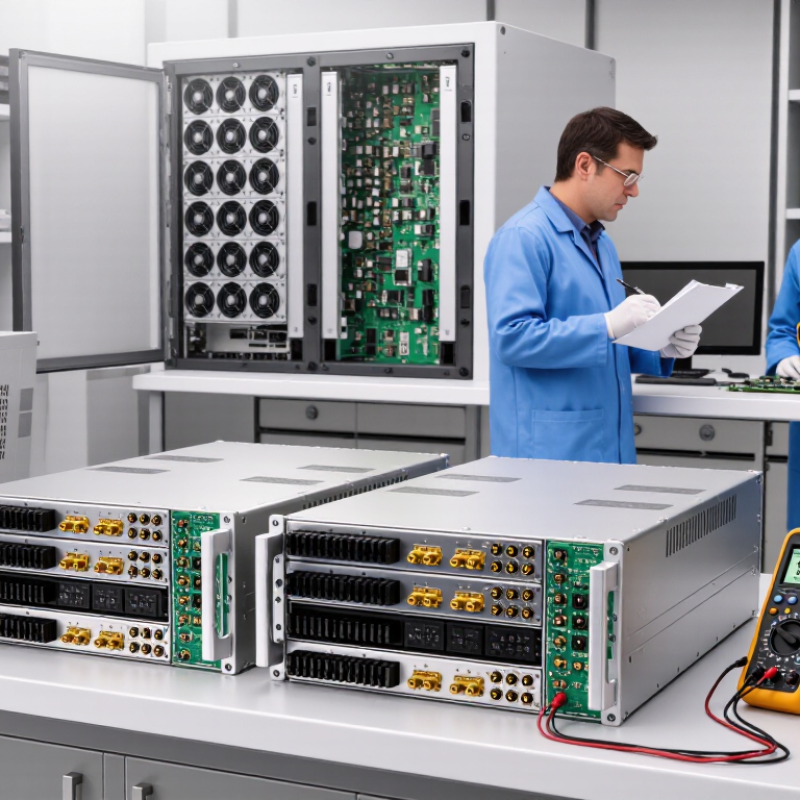
7 Tips for Choosing SOSA Aligned VPX Power Supplies

Understanding SOSA Alignment in VPX Power Supplies

7 Tips for Choosing SOSA Aligned VPX Power Supplies

Understanding SOSA Alignment in VPX Power Supplies

SOSA alignment connects VPX power selection with open, modular system practices. It does not mean every power supply is automatically compliant. Engineers should examine voltage rails, connector definitions, control signals, and environmental limits together. A supply may fit the slot but still fail system-level expectations.

I have seen promising designs overlook startup timing. That mistake can delay integration.

Tip 1: Check the required VPX slot profile and pin assignments.
Tip 2: Confirm every output voltage and its tolerance under load.
Tip 3: Review transient response during processor or payload activity.
Tip 4: Verify current sharing between parallel supplies.
Tip 5: Examine telemetry, fault reporting, and remote control functions.
Tip 6: Match cooling performance to the real chassis airflow.
Tip 7: Request test data, not only a compliance statement.

SOSA alignment should support interoperability, maintainability, and predictable integration. Ask for thermal curves at the intended altitude and ambient temperature. Review behavior during brownouts, short circuits, and rapid load changes. Also inspect filtering, conducted emissions, and hold-up time. These details affect sensitive mission electronics. A datasheet may appear complete, yet test conditions can hide important limits. Leave room for engineering review. Standards guide the design, but measured performance proves it.

Defining Power, Voltage, and Form-Factor Requirements

Tip 1: Define the load before selecting a supply. Record continuous, startup, and transient power separately. A processor may draw 90 W during operation, then exceed 130 W briefly. That difference affects cooling, hold-up time, and connector stress. The SOSA Technical Standard uses defined power and interface requirements, but it does not make every payload electrically identical. Do not treat a slot rating as your real mission load.

Tip 2: Map every voltage rail. List nominal voltage, tolerance, ripple, sequencing, and allowable inrush current. Common rails may include 12 V, 5 V, 3.3 V auxiliary, and management power. VITA 65.0 profile data shows why profile selection matters: rail availability and power limits depend on the selected module architecture. A neat spreadsheet helps. It can still hide a bad assumption. Measure the worst case with the payload installed, not only on a bench.

Tip 3: Match the form factor and cooling path early. ANSI/VITA 46.0 defines standard VPX mechanical dimensions, including approximately 100 × 160 mm for 3U and 160 × 233 mm for 6U boards. These dimensions affect airflow, conduction paths, and service access. Check slot pitch, wedge locks, connector zones, and chassis airflow. A smaller board is not automatically easier to cool. I have seen compact designs fail because the power budget ignored ambient temperature.

Choose supplies with documented efficiency curves, transient response, thermal derating, and qualification evidence. Independent test reports matter more than attractive headline wattage.

Evaluating Electrical Performance and Thermal Management

A SOSA-aligned VPX power supply must deliver stable voltage under changing loads. Check input range, output regulation, ripple, efficiency, and transient response.

Tip 1: Compare measurements at minimum, nominal, and maximum input voltage.

Tip 2: Demand test data, not general claims.

The SOSA Technical Standard and VITA 62.0 emphasize interoperability, defined interfaces, and predictable power behavior. However, compliance alone does not guarantee quiet rails inside a crowded chassis.

Thermal performance deserves equal attention.

Tip 3: Review efficiency at realistic mission loads, not only the peak rating.

Tip 4: Examine airflow direction, pressure drop, and derating curves.

A 92% efficient 500-watt unit still releases about 40 watts as heat. ASHRAE TC 9.9 guidance shows that inlet temperature strongly affects equipment reliability, while Uptime Institute survey data continues to identify cooling as a major data-center operating concern. VPX enclosures are smaller and less forgiving.

Very small spaces.

Tip 5: Verify hot-spot temperatures near switching devices and connectors.

Tip 6: Use thermal-interface materials with documented aging performance.

Tip 7: Test conducted and radiated emissions after installation, because neighboring modules can change results.

VITA 47.0 environmental guidance supports disciplined qualification across temperature, vibration, and humidity. In practice, engineers sometimes trust a simulation too early. That is a mistake worth admitting. Measure airflow with the final backplane, cabling, and adjacent cards installed. Allow design margin, but avoid oversized fans that create unnecessary noise and power demand.

Checking Interoperability, Compliance, and System Integration

7 Tips for Choosing SOSA-Aligned VPX Power Supplies

Interoperability starts with the backplane, not the product label. Check the required 3U or 6U form factor, slot profile, connector keying, and pin assignments against VITA 65.0-2021. Then verify the power module against VITA 62.0, which defines VPX power-supply module requirements. A supply can fit mechanically and still fail electrically. I have seen this happen during bench integration. The seventh tip is simple: request a complete interface-control document before purchasing.

Compliance requires more than a familiar connector. Compare input voltage range, output rails, transient response, hold-up time, current sharing, cooling method, and fault reporting. VITA 46.0 specifies 100-ohm differential signaling for high-speed interfaces, so grounding and noise control deserve close review. The SOSA Technical Standard, Edition 1.0, also emphasizes defined profiles and functional interoperability. Ask for test conditions, not only pass statements. “Compliant” is too vague.

System integration exposes hidden weaknesses. Test the supply with the real backplane, processor load, storage cards, and worst-case airflow. Measure ripple at the load. Check startup sequencing and protection recovery. Industry reliability studies repeatedly show that thermal stress and power transients drive many electronic-system failures. The exact percentage varies by application, so avoid treating one report as universal. A 2023 reliability assessment from a professional electronics engineering body supports thermal validation, but field data remains imperfect. Leave margin for aging, airflow loss, and future cards. A clean datasheet is not proof.

Comparing Reliability, Maintainability, and Supplier Support

Choosing a SOSA aligned VPX power supply requires more than checking voltage and slot dimensions. Reliability begins with thermal behavior, load response, and documented test results. Look for operation across the intended temperature range, controlled ripple, and stable performance during rapid load changes. Heat exposes weaknesses. Request evidence from thermal cycling, vibration, and power interruption testing. A supplier that shares limits clearly earns more trust than one offering vague performance claims.

Maintainability matters when equipment operates far from a repair center. Check whether the module supports accessible diagnostics, status reporting, and practical replacement procedures. Clear fault codes can reduce troubleshooting from hours to minutes. Confirm connector life, cooling requirements, and field-replaceable parts before approval. I once treated remote monitoring as optional, then watched a minor fan issue become a long investigation. That experience changed my review process. Test it early.

Supplier support is the third decision point, not an afterthought. Ask about response times, failure analysis, firmware control, repair capacity, and documented change notifications. Verify whether technical engineers can explain derating curves without delaying every answer. Also examine lifecycle planning, because SOSA alignment does not guarantee long-term availability. A written support agreement is useful, but real responsiveness matters more. My own checklists have missed small integration details, especially cable access and airflow clearance. Leave room for engineering judgment, and validate the power supply inside the complete chassis rather than alone on a bench.

7 Tips for Choosing SOSA-Aligned VPX Power Supplies

This evaluation model gives the highest weight to reliability because power quality directly affects mission availability. Maintainability covers fault isolation, modular replacement, monitoring, and access to technical documentation. Supplier support includes lifecycle planning, compliance evidence, customization capability, and long-term service responsiveness. Use these weights as a transparent starting point and adjust them to match the program’s operational risk.

FAQS

What does SOSA alignment mean for a VPX power supply?

It supports open, modular integration practices. It does not guarantee complete system compatibility. Check interfaces, signals, rails, and environmental limits together.

Can a power supply fit a VPX slot and still fail?

Yes. Physical fit is only one requirement. Incorrect pin assignments, startup timing, or control signals can delay integration.

Which electrical specifications should engineers compare?

Review input range, output voltage, tolerance, ripple, efficiency, and transient response. Test minimum, nominal, and maximum input conditions.

Why does transient response matter?

Processor activity can change demand quickly. The supply should recover without excessive voltage movement. Rapid load changes expose weak designs.

How should thermal performance be evaluated?

Use realistic mission loads, not only the maximum rating. A 92% efficient 500-watt supply releases about 40 watts as heat.

What cooling details deserve special attention?

Check airflow direction, pressure drop, derating curves, and hot-spot temperatures. Measure airflow with the final chassis, cables, and adjacent cards installed.

What test data should a supplier provide?

Request results for temperature cycling, vibration, humidity, brownouts, short circuits, and load changes. A compliance statement alone is not enough.

Which maintenance features can reduce troubleshooting time?

Look for clear fault codes, telemetry, status reporting, and remote control functions. A small fan problem can otherwise become a long investigation.

How should supplier support be judged?

Ask about response times, failure analysis, firmware control, repairs, and change notifications. Written support helps, but real responsiveness matters more.

What mistakes should engineers avoid during final approval?

Do not trust simulations too early or test only on a bench. I have missed cable access and airflow clearance before. Check the complete chassis.

Conclusion

Choosing SOSA Aligned VPX Power Supplies requires more than matching a basic voltage rating. Start by understanding how SOSA alignment supports modular, interoperable defense and embedded computing systems through standardized mechanical, electrical, and interface expectations. Clearly define the platform’s power budget, input and output voltage ranges, current capacity, slot dimensions, cooling method, and form-factor constraints. These requirements help prevent compatibility issues and ensure the power supply can support present and future payload needs.

Next, evaluate efficiency, regulation, ripple, transient response, protection features, and thermal performance under realistic operating conditions. Confirm interoperability with the intended backplane and system architecture, while reviewing compliance documentation and integration requirements. Reliability, serviceability, monitoring capabilities, replacement procedures, and supplier support are equally important for long-term operation. By comparing these factors systematically, engineers can select SOSA Aligned VPX Power Supplies that deliver stable performance, manageable heat generation, dependable maintenance, and stronger overall system integration.

James

James

James is a dedicated marketing professional with extensive expertise in his field. With a keen understanding of market dynamics and consumer behavior, he plays a vital role in elevating the company's core business offerings. His passion for delivering high-quality content shines through in the......